Maintaining your exercise bike is crucial for its longevity, performance, and safety, with regular care extending its life by several years. Neglecting routine maintenance can lead to unexpected breakdowns, costly repairs, and a less enjoyable workout experience. Consistent attention, from daily wipe-downs to annual inspections, ensures your equipment performs optimally and remains a reliable tool for your fitness journey, saving you money in the long run.
Why Regular Exercise Bike Maintenance is Crucial
Regular maintenance for your exercise bike isn’t just about keeping it looking new; it’s fundamental to its longevity, performance, and your safety. Over time, components can wear out or become misaligned, impacting your workout and potentially posing risks. Consistent care helps identify and address these issues promptly, preventing minor problems from escalating into major repairs or even requiring a complete replacement. A well-maintained exercise bike not only provides a smoother, more effective workout but also protects your investment, saving you money in the long run.
“A consistent maintenance schedule can extend the life of your exercise bike by several years, ensuring it remains a reliable tool for your fitness journey,” notes Dr. Emily Carter, a renowned expert in fitness equipment mechanics. Neglecting simple tasks can degrade performance and significantly shorten the lifespan of even the most robust models.
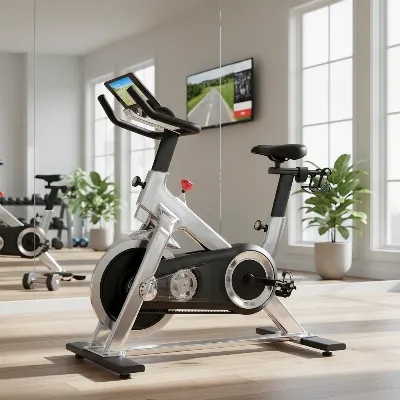 An exercise bike well-maintained, representing longevity and optimal performance
Essential Daily Care Routines
Incorporating a few quick habits after each workout can make a significant difference in the health of your exercise bike. These daily tasks are minimal but highly effective in preventing common issues.
First and foremost, wipe down your exercise bike immediately after every session. Sweat is corrosive and can cause rust and damage to the frame, handlebars, seat, and console over time. Use a soft microfiber cloth. For the frame and non-electronic parts, a slightly damp cloth with a mild detergent is effective. For the console and display area, use a dry cloth or one barely misted with water; never spray cleaner directly onto electronic components. This simple step removes sweat and grime, preserving the finish and preventing unpleasant odors.
If your bike uses a friction resistance system, it’s also a good practice to release the resistance after each ride. This alleviates pressure on the brake pads and flywheel, preventing premature wear and tear. Finally, perform a quick visual check for anything obviously loose or out of place. This helps you catch potential problems early before they develop into bigger issues.
Monthly Maintenance Checklist
Beyond daily cleaning, a monthly check-up ensures all mechanical components are functioning correctly and safely. Dedicate a few minutes each month to these vital tasks.
Tighten Bolts and Screws
|
Our Picks for the Best Exercise Bike in 2026
As an Amazon Associate I earn from qualifying purchases.
|
||
| Num | Product | Action |
|---|---|---|
| 1 | Exercise Bike, Magnetic Resistance Stationary Bikes for Home with App Compatible, Silent Indoor Cycling Bike with 350lbs Weight Capacity Comfortable Seat, Digital Monitor & Phone Mount |

|
| 2 | RELIFE REBUILD YOUR LIFE Exercise Bike Stationary for Home Indoor,Cycling Bike with Silent Belt Drive for Home Cardio,Brake Pad Resistance with djustable & Comfort Seat/PAD Holder/LCD Monitor. |
|
| 3 | Exercise Bikes for Home,Indoor Cycling Bike with Adjustable Friction,Brake Pad Resistance Silent Belt Drive,330lbs Weight Capacity &Upgraded Version Seat for Home Cardio&Weight Loss |
|
| 4 | MERACH Exercise Bike, Brake Pad Stationary Bike with Exclusive App, Low Noise Indoor Cycling Bike with 300lbs Weight Capacity, Tablet Mount and Fitness Courses for Weight Loss |
|
| 5 | Indoor Exercise Bike for Seniors, 5 IN 1 Foldable Stationary Bike with 16-Level Magnetic Resistance and Tri-Position Ride, 330LBS Capacity, 6.6 LBS Flywheel, for Home Workout 818 Gray |
|
| 6 | Exercise Bike, Adjustable Magnetic Resistance Stationary Bikes for Home Cardio with Exclusive App, Indoor Bike with 330lbs Weight Capacity Comfortable Seat, Tablet Mount and Fitness Courses |
|
| 7 | Exercise Bike, Wenoker Magnetic Stationary Bike for Home App Sync Indoor Bike with Adjustable Seat and Handlebar, Transport Wheels and Fitness Courses for Weight Loss |
|
| 8 | Exercise Bike, Wenoker Stationary Bike for Home, App Supported Indoor Bike with Silent Belt Drive, Heavy Flywheel, Multi-grips Handlebar and Upgraded Digital Display |
|
| 9 | Exercise Bikes for Home,Indoor Cycling Bike with Adjustable Magnetic,Brake Pad Resistance Silent Belt Drive,330lbs Weight Capacity &Upgraded Version Seat for Home Cardio&Weight Loss |
|
| 10 | Exercise Bike for Home – 350LB Magnetic Resistance Indoor Cycling Bike, Silent Stationary Spin Bike with App Sync, Adjustable Seat, LCD Monitor, Smooth & Quiet for Cardio Workout |
|
Vibrations from regular use can gradually loosen bolts and screws across your exercise bike. Loose parts can lead to instability, strange noises, and potential safety hazards. Once a month, take a few minutes to inspect and tighten all visible bolts and screws. Pay particular attention to the seat post, handlebar adjustment knobs, pedal connections, and the stabilizer feet at the base of the bike. A crucial detail for pedals: the left pedal is often reverse-threaded, meaning you turn it clockwise to loosen and counter-clockwise to tighten. Ensure everything is snug, but avoid over-tightening, which can strip threads.
Inspect Pedals and Straps
Pedals endure significant stress, as they transfer all your power to the bike. Check their tightness monthly and inspect the straps or cages for any signs of wear, fraying, or damage. Replace worn straps immediately to prevent accidents during intense workouts. For optimal performance and to prevent squeaking, consider lubricating pedal bearings yearly with bike-specific grease, following your manufacturer’s guidelines.
Clean and Protect the Flywheel
The flywheel is central to your bike’s resistance system. Keeping it clean is essential for smooth and consistent operation. Wipe down the flywheel monthly to remove any dust, debris, or dried sweat that could accumulate. For friction-based bikes, also inspect the resistance pads for wear and ensure they are clean. Listen for any unusual noises like grinding or squeaking, which could indicate a bearing issue. Ensure the area around the flywheel is clear of towels or water bottles that could obstruct its movement.
Lubricate Moving Parts (As Needed)
Lubrication is key to reducing friction and preventing wear, but the type and frequency depend on your bike’s design.
- Chain-Drive Bikes: If your exercise bike has a chain, lubrication is critical for quiet and smooth operation. Use a bike-specific chain lube (never WD-40) and apply a small drop to each link while slowly pedaling backward. Wipe off any excess with a clean rag. Do this every 2-3 months or when the chain appears dry.
- Belt-Drive Bikes: Many modern exercise bikes feature belt-drive systems, which are generally maintenance-free and do not require lubrication. Consult your bike’s manual to confirm your specific model’s requirements.
- Friction Resistance Bikes: For bikes with friction pads, a light application of silicone spray on the flywheel can help maintain smooth, consistent motion and reduce noise.
- Seat Post and Crank Posts: A monthly application of a dry silicone spray to the seat post and handlebar adjustment posts can prevent stiffness and annoying squeaks, ensuring smooth adjustments.
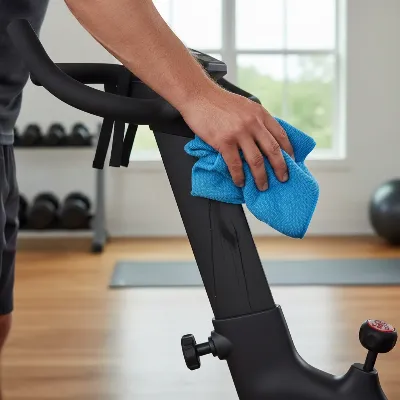 A person cleaning an exercise bike frame with a microfiber cloth, highlighting daily care
Check Console and Electronics
Ensure your console is clean and functioning accurately. Wipe down the screen and buttons with a dry or lightly dampened cloth. If your console uses batteries, check their levels periodically and replace them as needed to prevent corrosion from old, leaky batteries. Some advanced bikes may also benefit from checking for firmware updates via the manufacturer’s app or website to ensure optimal electronic performance and accurate readings.
Stabilize and Level Your Bike
A stable exercise bike is a safe exercise bike. Regularly check that your bike is level and stable on your floor. Most bikes come with adjustable feet or stabilizers that you can turn to compensate for uneven surfaces. This prevents wobbling during intense workouts, which can be distracting and potentially dangerous.
Annual Professional Service & Long-Term Tips
While most maintenance tasks can be handled by the user, an annual professional service can be highly beneficial. A technician can perform a more thorough inspection, detect underlying issues you might miss, provide deeper cleaning and lubrication, and make any necessary complex adjustments or repairs. This is particularly recommended after several years of consistent use or if you notice persistent issues.
For long-term care, always keep your exercise bike indoors, away from direct sunlight and moisture, which can degrade materials and electronics. If your bike plugs into a power outlet, consider using a surge protector to safeguard its electronics from power fluctuations. Finally, if you plan to store your bike for an extended period, remove any batteries from the console to prevent corrosion.
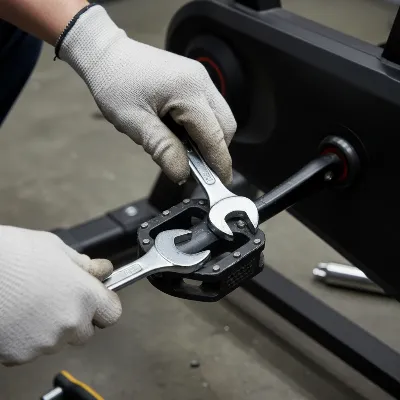 Hands using a wrench to tighten a bolt on an exercise bike pedal, demonstrating maintenance
Signs Your Exercise Bike Needs Attention
Being observant during your workouts can help you catch problems early. Pay attention to these common indicators that your exercise bike might need some care:
- Unusual Noises: Squeaking, grinding, clunking, or rattling sounds that weren’t there before often indicate loose parts, dry bearings, or friction issues.
- Difficulty Adjusting: If the seat, handlebars, or resistance levels are stiff or difficult to adjust, lubrication or a deeper inspection might be needed.
- Wobbling or Instability: Persistent wobbling, even after checking the stabilizer feet, could point to loose frame bolts or a more significant structural issue.
- Inconsistent Resistance: If your resistance feels uneven, too weak, or too strong, it might be a sign of wear in the resistance mechanism or a need for calibration.
- Error Messages: Any unusual readings or error messages on your console should be addressed promptly by consulting your manual or contacting customer support.
Conclusion
Your new exercise bike is an incredible tool for maintaining and improving your health, but its effectiveness and longevity are directly tied to how well you care for it. By integrating simple daily wipe-downs, diligent monthly checks, and considering occasional professional servicing, you can ensure your exercise bike remains a reliable, high-performing asset in your home gym for years to come. These essential maintenance tips will not only prevent costly repairs but also enhance your overall workout experience, making every session smooth, safe, and satisfying. So, take pride in your equipment and give it the care it deserves—your fitness journey will thank you. What small maintenance task can you commit to starting today to extend the life of your exercise bike?
Frequently Asked Questions
How often should I clean my exercise bike?
You should wipe down your exercise bike, especially areas exposed to sweat like the handlebars, seat, and frame, after every single use. A more thorough cleaning of the frame and non-electronic components with a mild detergent can be done weekly.
What kind of lubricant should I use for my exercise bike?
The type of lubricant depends on your bike’s components. For chain-drive bikes, use a bike-specific chain lube. For friction resistance systems or posts, a dry silicone spray is often recommended. Always refer to your exercise bike’s manufacturer manual for specific lubricant recommendations.
Can I use WD-40 on my exercise bike?
Generally, no. WD-40 is a water displacer and penetrant, not a long-lasting lubricant for chains or bearings. It can attract dirt and may even damage certain plastic or rubber components. Always opt for lubricants specifically designed for bikes or fitness equipment.
Why do my exercise bike pedals keep getting loose?
Loose pedals often indicate they were not initially tightened correctly, or the threads need cleaning and re-greasing. The left pedal on most bikes is reverse-threaded, meaning you turn it counter-clockwise to tighten it. Regular monthly checks and proper torque are essential.
How do I stop my exercise bike from squeaking?
Squeaking often comes from dry pivot points, the seat post, handlebars, or sometimes the resistance system. Lubricating adjustable posts with silicone spray, checking for loose bolts, and ensuring the flywheel is clean (for friction bikes) can often resolve squeaks. If a chain-drive, lubricate the chain.
Is professional maintenance necessary for an exercise bike?
While most routine maintenance can be done at home, an annual professional service is recommended. Technicians can identify underlying issues, perform deeper cleaning, and make precise adjustments that extend the bike’s lifespan and ensure optimal performance and safety.
Frequently Asked Questions
How often should I clean my exercise bike?
You should wipe down your exercise bike, especially areas exposed to sweat like the handlebars, seat, and frame, after every single use. A more thorough cleaning of the frame and non-electronic components with a mild detergent can be done weekly.
What kind of lubricant should I use for my exercise bike?
The type of lubricant depends on your bike's components. For chain-drive bikes, use a bike-specific chain lube. For friction resistance systems or posts, a dry silicone spray is often recommended. Always refer to your exercise bike's manufacturer manual for specific lubricant recommendations.
Can I use WD-40 on my exercise bike?
Generally, no. WD-40 is a water displacer and penetrant, not a long-lasting lubricant for chains or bearings. It can attract dirt and may even damage certain plastic or rubber components. Always opt for lubricants specifically designed for bikes or fitness equipment.
Why do my exercise bike pedals keep getting loose?
Loose pedals often indicate they were not initially tightened correctly, or the threads need cleaning and re-greasing. The left pedal on most bikes is reverse-threaded, meaning you turn it counter-clockwise to tighten it. Regular monthly checks and proper torque are essential.
How do I stop my exercise bike from squeaking?
Squeaking often comes from dry pivot points, the seat post, handlebars, or sometimes the resistance system. Lubricating adjustable posts with silicone spray, checking for loose bolts, and ensuring the flywheel is clean (for friction bikes) can often resolve squeaks. If a chain-drive, lubricate the chain.
Is professional maintenance necessary for an exercise bike?
While most routine maintenance can be done at home, an annual professional service is recommended. Technicians can identify underlying issues, perform deeper cleaning, and make precise adjustments that extend the bike's lifespan and ensure optimal performance and safety.
Maintain Your Exercise Bike for Longevity
Follow these steps to ensure your exercise bike remains in peak condition, preventing costly repairs and enhancing your workout experience.
Immediately after each workout, wipe down your exercise bike with a soft microfiber cloth. Use a slightly damp cloth with mild detergent for the frame and non-electronic parts, and a dry cloth for the console to remove sweat and grime.
Once a month, inspect and tighten all visible bolts and screws, especially on the seat post, handlebars, and pedals. Pay attention to the reverse-threaded left pedal, turning it counter-clockwise to tighten, to prevent instability and noise.
Monthly, wipe down the flywheel to remove dust and debris. Lubricate chain-drive bikes every 2-3 months with bike-specific chain lube. For friction resistance bikes or adjustable posts, apply a light silicone spray to maintain smooth operation and prevent squeaks.
Regularly wipe down the console screen and buttons, checking battery levels. Ensure your bike is level and stable on the floor by adjusting the stabilizer feet to prevent wobbling during workouts.
While most maintenance is DIY, an annual professional service can provide a thorough inspection, deeper cleaning, and complex adjustments. This is especially recommended after several years of consistent use or if persistent issues arise.

I appreciated the reminder about checking for loose bolts and screws. I found a couple on my Sunny Health & Fitness bike that were starting to wiggle, and tightening them up made the whole ride feel more stable. It’s easy to overlook those small things, but they really do impact the overall safety and feel of the bike. Good practical advice!
I’ve had my Peloton for three years now and honestly, I was pretty bad about cleaning it until recently. The tip about wiping it down after every ride really made a difference. It’s so much less grimy now, and I feel like the components are staying in better shape. Definitely a simple habit that pays off for keeping it running smoothly.
The advice on checking pedal straps and cleats was helpful, but I wish there was more detail on how often to lubricate the chain. My older Schwinn bike gets a lot of use, and I’m always wondering if I’m doing it enough or too much. It’s a minor point, but it would have made the guide even more comprehensive for me.
My Echelon bike was starting to make some weird noises, and I was worried I’d have to call for a repair. Following the steps for cleaning and inspecting the flywheel and resistance mechanism totally fixed it! It’s running so much quieter now, and I feel like I’ve saved myself some money by doing the maintenance myself. Thanks for the clear instructions.