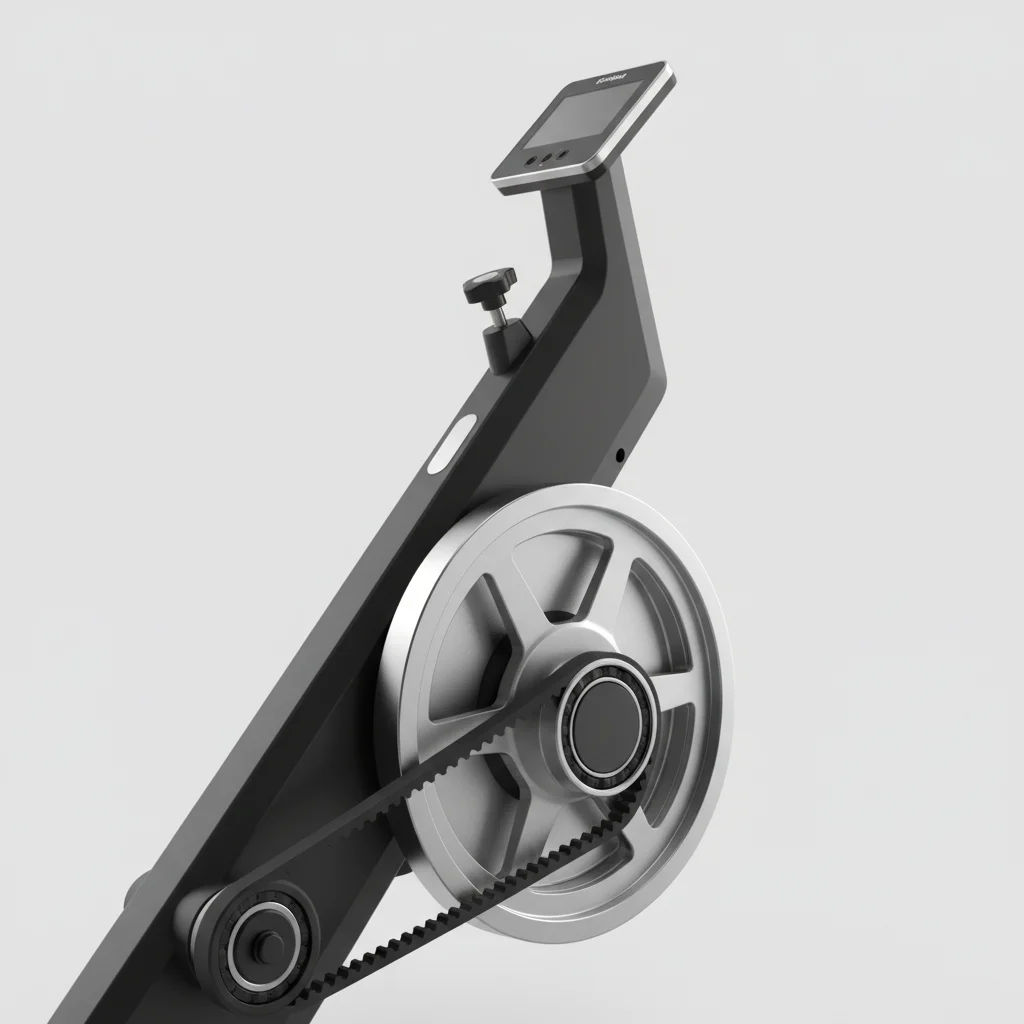
The flywheel weight on an exercise bike significantly impacts the smoothness and stability of your ride, with a heavier flywheel generally providing a more fluid and consistent pedaling experience. For most home users, a flywheel in the range of 18-22 pounds offers a good balance of performance and affordability, while serious cyclists might prefer 30+ pounds.
Understanding Flywheel Functionality
The flywheel is a weighted disc that spins as you pedal, creating momentum and resistance. Its primary role is to mimic the feel of riding a real bicycle outdoors. A heavier flywheel stores more kinetic energy, which translates to a smoother transition between pedal strokes and a more consistent resistance level, especially during high-intensity intervals or when standing out of the saddle.
Conversely, a lighter flywheel might feel choppier, particularly at lower resistance settings or during quick changes in pedaling speed. This can lead to a less comfortable workout and potentially put more strain on your joints.
Impact on Ride Smoothness and Stability
A heavier flywheel contributes directly to a smoother, more stable ride. The increased inertia helps to iron out any jerky movements, making the pedaling motion feel more natural and less like you’re fighting against the machine. This is particularly noticeable when you’re pushing hard or slowing down, as the momentum helps maintain a consistent feel.
For users who prioritize a quiet workout, a heavier flywheel can also help reduce noise. The added mass dampens vibrations and allows for a more stable rotation, leading to a quieter operation compared to bikes with very light flywheels that might wobble or produce more mechanical sounds.
Resistance and Workout Intensity
|
Our Picks for the Best Exercise Bike in 2026
As an Amazon Associate I earn from qualifying purchases.
|
||
| Num | Product | Action |
|---|---|---|
| 1 | Exercise Bikes for Home,Indoor Cycling Bike with Adjustable Friction,Brake Pad Resistance Silent Belt Drive,330lbs Weight Capacity &Upgraded Version Seat for Home Cardio&Weight Loss |

|
| 2 | Exercise Bike, Adjustable Magnetic Resistance Stationary Bikes for Home Cardio with Exclusive App, Indoor Bike with 330lbs Weight Capacity Comfortable Seat, Tablet Mount and Fitness Courses |
|
| 3 | Indoor Exercise Bike for Seniors, 5 IN 1 Foldable Stationary Bike with 16-Level Magnetic Resistance and Tri-Position Ride, 330LBS Capacity, 6.6 LBS Flywheel, for Home Workout 818 Gray |
|
| 4 | Exercise Bike, Magnetic Resistance Stationary Bikes for Home with App Compatible, Silent Indoor Cycling Bike with 350lbs Weight Capacity Comfortable Seat, Digital Monitor & Phone Mount |
|
| 5 | MERACH Exercise Bike, Brake Pad Stationary Bike with Exclusive App, Low Noise Indoor Cycling Bike with 300lbs Weight Capacity, Tablet Mount and Fitness Courses for Weight Loss |
|
| 6 | Exercise Bike for Home – 350LB Magnetic Resistance Indoor Cycling Bike, Silent Stationary Spin Bike with App Sync, Adjustable Seat, LCD Monitor, Smooth & Quiet for Cardio Workout |
|
| 7 | Exercise Bike, Wenoker Stationary Bike for Home, App Supported Indoor Bike with Silent Belt Drive, Heavy Flywheel, Multi-grips Handlebar and Upgraded Digital Display |
|
| 8 | RELIFE REBUILD YOUR LIFE Exercise Bike Stationary for Home Indoor,Cycling Bike with Silent Belt Drive for Home Cardio,Brake Pad Resistance with djustable & Comfort Seat/PAD Holder/LCD Monitor. |
|
| 9 | Exercise Bike, Wenoker Magnetic Stationary Bike for Home App Sync Indoor Bike with Adjustable Seat and Handlebar, Transport Wheels and Fitness Courses for Weight Loss |
|
| 10 | Exercise Bikes for Home,Indoor Cycling Bike with Adjustable Magnetic,Brake Pad Resistance Silent Belt Drive,330lbs Weight Capacity &Upgraded Version Seat for Home Cardio&Weight Loss |
|
While flywheel weight doesn’t directly determine the maximum resistance an exercise bike can offer, it does influence how that resistance feels. Bikes with heavier flywheels often provide a more nuanced and consistent resistance curve, allowing for finer adjustments and a more predictable challenge across different intensity levels. This is crucial for structured training programs that require precise control over your effort.
However, it’s important to note that the resistance mechanism (magnetic, friction, air) also plays a significant role. A heavy flywheel combined with a high-quality magnetic resistance system will offer the most sophisticated and enjoyable workout experience.
Considerations for Different Users
Your ideal flywheel weight depends on your fitness goals and preferences. Casual users or those new to exercise bikes might find a lighter flywheel (under 18 pounds) sufficient, as it’s often found on more budget-friendly models and is easier to get up to speed. However, if you’re looking for a more immersive and challenging experience, or if you plan on doing frequent, intense workouts, a heavier flywheel is highly recommended.
- Beginners/Casual Users: 13-18 lbs for basic cardio and light workouts.
- Intermediate Users: 18-22 lbs for a good balance of smoothness and value.
- Advanced Users/Spin Enthusiasts: 22-35+ lbs for a highly realistic and challenging ride.
- Users with Joint Issues: Heavier flywheels can provide a smoother, less jarring experience.
Maintenance and Longevity
The flywheel itself generally requires minimal maintenance, as it’s a solid component. However, the bearings and belt system connected to the flywheel are crucial for its smooth operation. Regular cleaning around the flywheel area to prevent dust and debris buildup can help extend the life of these components. Ensuring the bike is on a level surface also prevents undue stress on the flywheel and its associated parts, contributing to overall longevity.
