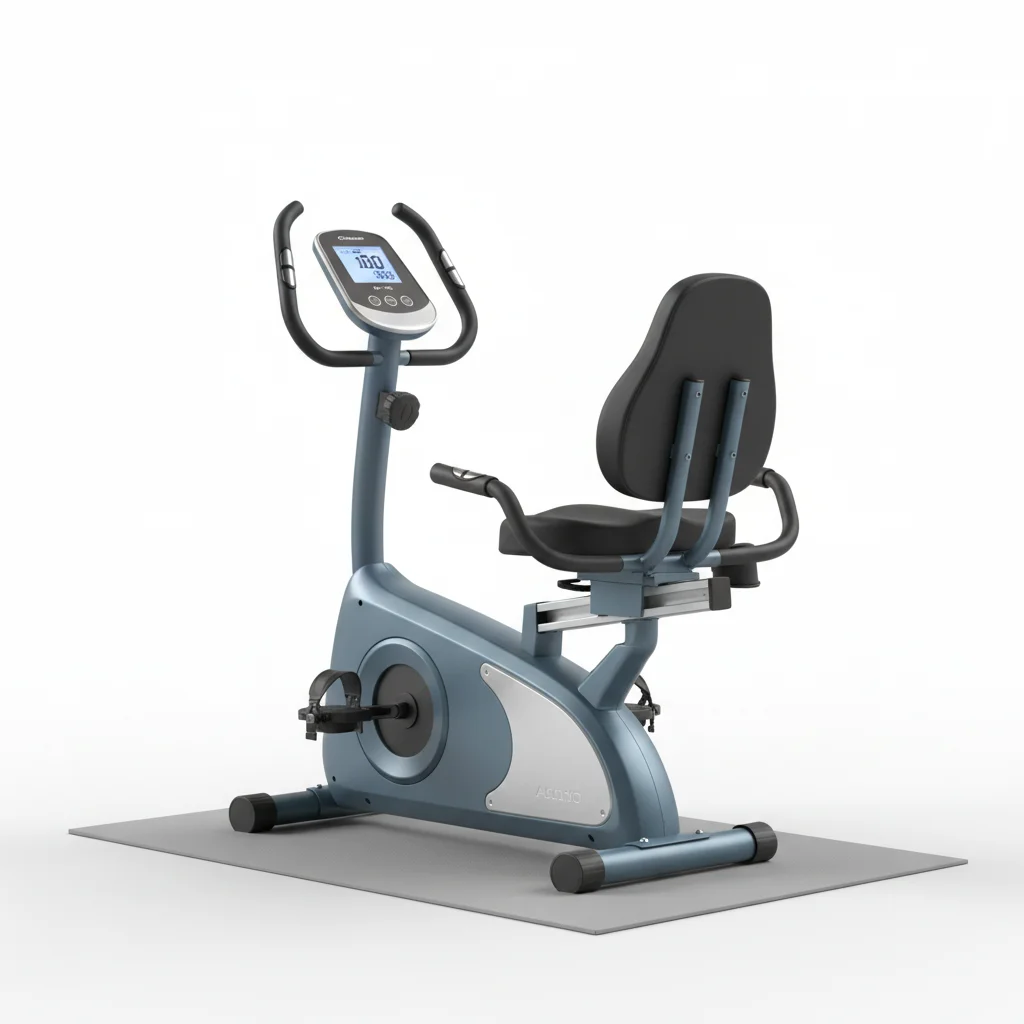
Riding an exercise bike can be a beneficial low-impact activity for individuals with arthritis, offering five key ways to ride comfortably and manage joint pain. The controlled movement helps maintain joint flexibility, strengthen surrounding muscles, and improve cardiovascular health without the harsh impact of other exercises. By focusing on proper bike setup, choosing the right type of bike, and incorporating specific riding techniques, you can significantly reduce discomfort and enjoy the benefits of regular exercise.
Choosing the Right Exercise Bike Type
For those with arthritis, selecting the appropriate exercise bike is crucial. Recumbent bikes are often recommended due to their reclined seating position, which distributes weight more evenly and reduces stress on the wrists, back, and hips. Upright bikes can also be suitable, especially if they offer good adjustability for seat height and handlebar position. Consider models with a step-through design to make mounting and dismounting easier, minimizing strain on knees and hips. Look for bikes with padded seats and ergonomic handlebars to enhance overall comfort during your workout sessions. For more home exercise guides on this site.
Optimizing Your Bike Setup for Comfort
Proper bike setup is paramount to preventing pain and maximizing comfort. Adjust the seat height so there’s a slight bend in your knee at the bottom of the pedal stroke – never fully extended. For recumbent bikes, ensure your feet can comfortably reach the pedals without overstretching. Handlebars should be positioned to allow for a relaxed upper body posture, avoiding excessive leaning or reaching. If your bike has adjustable resistance, start with a very low setting and gradually increase it as your joints warm up and your strength improves. Experiment with different settings until you find the most comfortable and supportive position for your body.
Effective Riding Techniques for Joint Health
|
Our Picks for the Best Exercise Bike in 2026
As an Amazon Associate I earn from qualifying purchases.
|
||
| Num | Product | Action |
|---|---|---|
| 1 | Exercise Bikes for Home,Indoor Cycling Bike with Adjustable Magnetic,Brake Pad Resistance Silent Belt Drive,330lbs Weight Capacity &Upgraded Version Seat for Home Cardio&Weight Loss |

|
| 2 | RELIFE REBUILD YOUR LIFE Exercise Bike Stationary for Home Indoor,Cycling Bike with Silent Belt Drive for Home Cardio,Brake Pad Resistance with djustable & Comfort Seat/PAD Holder/LCD Monitor. |
|
| 3 | MERACH Exercise Bike, Brake Pad Stationary Bike with Exclusive App, Low Noise Indoor Cycling Bike with 300lbs Weight Capacity, Tablet Mount and Fitness Courses for Weight Loss |
|
| 4 | Exercise Bike, Adjustable Magnetic Resistance Stationary Bikes for Home Cardio with Exclusive App, Indoor Bike with 330lbs Weight Capacity Comfortable Seat, Tablet Mount and Fitness Courses |
|
| 5 | Exercise Bike for Home – 350LB Magnetic Resistance Indoor Cycling Bike, Silent Stationary Spin Bike with App Sync, Adjustable Seat, LCD Monitor, Smooth & Quiet for Cardio Workout |
|
| 6 | Exercise Bike, Wenoker Magnetic Stationary Bike for Home App Sync Indoor Bike with Adjustable Seat and Handlebar, Transport Wheels and Fitness Courses for Weight Loss |
|
| 7 | Exercise Bike, Magnetic Resistance Stationary Bikes for Home with App Compatible, Silent Indoor Cycling Bike with 350lbs Weight Capacity Comfortable Seat, Digital Monitor & Phone Mount |
|
| 8 | Indoor Exercise Bike for Seniors, 5 IN 1 Foldable Stationary Bike with 16-Level Magnetic Resistance and Tri-Position Ride, 330LBS Capacity, 6.6 LBS Flywheel, for Home Workout 818 Gray |
|
| 9 | Exercise Bikes for Home,Indoor Cycling Bike with Adjustable Friction,Brake Pad Resistance Silent Belt Drive,330lbs Weight Capacity &Upgraded Version Seat for Home Cardio&Weight Loss |
|
| 10 | Exercise Bike, Wenoker Stationary Bike for Home, App Supported Indoor Bike with Silent Belt Drive, Heavy Flywheel, Multi-grips Handlebar and Upgraded Digital Display |
|
When riding with arthritis, focus on smooth, controlled movements rather than high intensity. Begin with a warm-up period of 5-10 minutes at a very light resistance to prepare your joints and muscles. Maintain a steady, moderate pace throughout your workout, avoiding sudden bursts of speed or heavy resistance that could aggravate your joints. Pay attention to your body’s signals; if you experience pain, reduce the intensity or take a break. Incorporate short, frequent sessions rather than long, infrequent ones to keep joints lubricated and active without overexertion. Consider using a heart rate monitor to stay within a comfortable and effective exercise zone.
- Start with a 5-10 minute warm-up at low resistance.
- Maintain a smooth, consistent pedaling motion.
- Listen to your body and stop if you feel sharp pain.
- Break up longer workouts into shorter, more frequent sessions.
- Stay hydrated before, during, and after your ride.
Supportive Accessories and Gear
Enhance your riding experience with accessories designed for comfort and support. A gel seat cover or a wider, more padded seat can significantly reduce pressure on your sit bones. Padded cycling gloves can alleviate pressure on your hands and wrists, which is particularly helpful for those with hand arthritis. Consider wearing supportive athletic shoes that provide good cushioning and stability. Some individuals also find relief using knee or ankle braces, but it’s always best to consult with a healthcare professional or physical therapist before incorporating such aids into your routine.
When to Consult a Professional
While exercise bikes offer a fantastic way to stay active with arthritis, it’s important to know when to seek professional advice. If you experience persistent pain, increased swelling, or new joint stiffness after riding, consult your doctor or a physical therapist. They can provide personalized recommendations for exercise intensity, duration, and specific modifications to your routine. A professional can also help you determine if an exercise bike is the most suitable form of exercise for your specific condition and guide you on any necessary adjustments to your technique or equipment. Always prioritize your joint health and well-being.

I appreciate the tips on proper bike setup for joint pain. I tried adjusting my existing upright bike as suggested, but I still find that my wrists get a bit sore after a longer session. While the information was helpful, it seems like my current bike just isn’t ideal for my hand arthritis, even with adjustments. I might need to consider a different type of bike altogether.
This guide really helped me understand what to look for in an exercise bike with my hip arthritis. I ended up getting an upright bike with a highly adjustable seat, and it’s been pretty good. I still have to be careful with my posture, but the ability to fine-tune the seat height and handlebar position has made it much more comfortable than my old bike. Definitely a good resource.
I’ve been struggling with knee arthritis for years, and finding an exercise that doesn’t aggravate it has been tough. The advice here about recumbent bikes was spot on. I finally invested in one, and the reclined seating position makes such a difference. My back and hips feel so much better after a ride, and I’m actually enjoying working out again without the usual pain.
As someone with lower back arthritis, I was hesitant about any kind of exercise bike. The emphasis on low-impact activity and strengthening surrounding muscles really resonated with me. I followed the advice on choosing a bike that supports even weight distribution, and it’s been a game-changer. My joints feel more flexible, and I’m noticing a real improvement in my overall mobility.