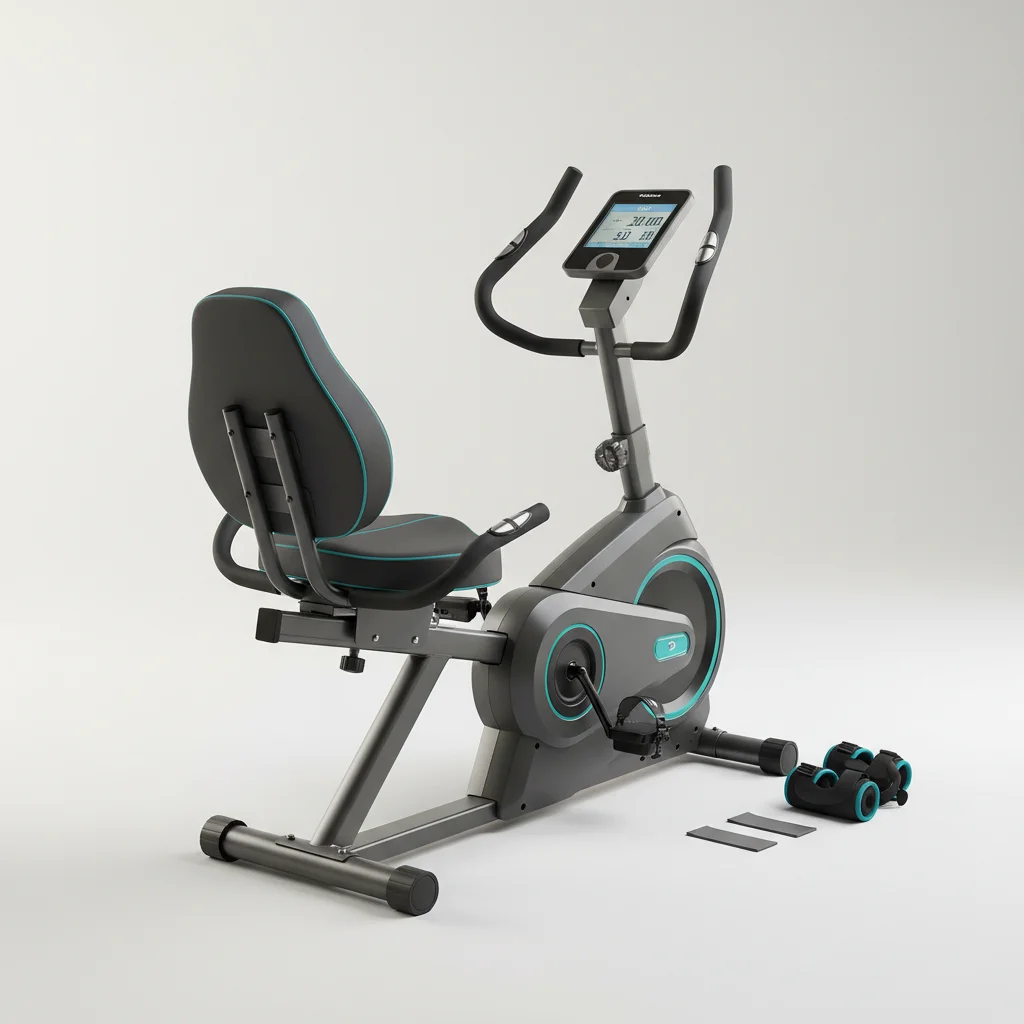
Riding an exercise bike can be a great low-impact workout, even if you suffer from back pain. The key is to choose the right type of bike and adjust your riding posture to minimize strain. There are 5 primary ways to ensure a comfortable and pain-free experience while using an exercise bike with back pain.
Choosing the Right Exercise Bike Type
For individuals with back pain, the type of exercise bike you choose is paramount. Recumbent exercise bikes are often recommended because they provide a reclined seating position with a backrest, which significantly reduces pressure on the lower back. This design distributes your body weight more evenly and supports the lumbar spine, making it a much more comfortable option compared to upright bikes that require more core engagement and can put strain on the back if posture isn’t perfect. Consider models with adjustable backrests for personalized support.
Optimizing Your Bike Setup and Adjustments
Proper bike setup is crucial for preventing and alleviating back pain. Ensure the seat height allows for a slight bend in your knee at the bottom of the pedal stroke, preventing overextension. For recumbent bikes, adjust the seat forward or backward so your knees are not too close to your chest or too far extended. The handlebars should be within comfortable reach, allowing you to maintain a relaxed upper body without hunching. Experiment with different settings to find the position that feels most natural and supportive for your back. Small adjustments can make a significant difference in comfort during your workout.
Maintaining Proper Riding Posture
|
Our Picks for the Best Exercise Bike in 2026
As an Amazon Associate I earn from qualifying purchases.
|
||
| Num | Product | Action |
|---|---|---|
| 1 | Exercise Bike for Home – 350LB Magnetic Resistance Indoor Cycling Bike, Silent Stationary Spin Bike with App Sync, Adjustable Seat, LCD Monitor, Smooth & Quiet for Cardio Workout |

|
| 2 | Exercise Bikes for Home,Indoor Cycling Bike with Adjustable Friction,Brake Pad Resistance Silent Belt Drive,330lbs Weight Capacity &Upgraded Version Seat for Home Cardio&Weight Loss |
|
| 3 | Exercise Bikes for Home,Indoor Cycling Bike with Adjustable Magnetic,Brake Pad Resistance Silent Belt Drive,330lbs Weight Capacity &Upgraded Version Seat for Home Cardio&Weight Loss |
|
| 4 | Exercise Bike, Wenoker Stationary Bike for Home, App Supported Indoor Bike with Silent Belt Drive, Heavy Flywheel, Multi-grips Handlebar and Upgraded Digital Display |
|
| 5 | Exercise Bike, Adjustable Magnetic Resistance Stationary Bikes for Home Cardio with Exclusive App, Indoor Bike with 330lbs Weight Capacity Comfortable Seat, Tablet Mount and Fitness Courses |
|
| 6 | Exercise Bike, Magnetic Resistance Stationary Bikes for Home with App Compatible, Silent Indoor Cycling Bike with 350lbs Weight Capacity Comfortable Seat, Digital Monitor & Phone Mount |
|
| 7 | MERACH Exercise Bike, Brake Pad Stationary Bike with Exclusive App, Low Noise Indoor Cycling Bike with 300lbs Weight Capacity, Tablet Mount and Fitness Courses for Weight Loss |
|
| 8 | Indoor Exercise Bike for Seniors, 5 IN 1 Foldable Stationary Bike with 16-Level Magnetic Resistance and Tri-Position Ride, 330LBS Capacity, 6.6 LBS Flywheel, for Home Workout 818 Gray |
|
| 9 | RELIFE REBUILD YOUR LIFE Exercise Bike Stationary for Home Indoor,Cycling Bike with Silent Belt Drive for Home Cardio,Brake Pad Resistance with djustable & Comfort Seat/PAD Holder/LCD Monitor. |
|
| 10 | Exercise Bike, Wenoker Magnetic Stationary Bike for Home App Sync Indoor Bike with Adjustable Seat and Handlebar, Transport Wheels and Fitness Courses for Weight Loss |
|
Even with the right bike and setup, maintaining proper posture during your ride is essential. For upright bikes, keep your back straight, engage your core, and avoid slouching. Your shoulders should be relaxed, and your neck in a neutral position. On a recumbent bike, lean back into the support, ensuring your lower back is fully supported by the backrest. Avoid rounding your spine or straining to reach the pedals. Focus on smooth, controlled pedal strokes rather than jerky movements, which can aggravate back issues.
Incorporating Warm-up and Cool-down Routines
A proper warm-up and cool-down routine are vital, especially when dealing with back pain. Begin your workout with 5-10 minutes of light pedaling at a low resistance to gradually increase blood flow to your muscles and prepare your back for activity. After your workout, spend another 5-10 minutes cooling down with light pedaling, followed by gentle stretches. Focus on stretches that target the hamstrings, glutes, and lower back, as tightness in these areas can contribute to back pain. Never push through pain; if a stretch or movement causes discomfort, stop immediately.
- Start with a 5-10 minute light warm-up.
- Perform gentle stretches for hamstrings and lower back.
- Cool down with 5-10 minutes of easy pedaling.
- Listen to your body and avoid painful movements.
- Consider a foam roller for post-workout back release.
Considering Additional Support and Accessories
Beyond the bike itself, certain accessories can enhance comfort and support for riders with back pain. A lumbar support cushion can provide extra padding and stability for your lower back, particularly on bikes that may lack adequate built-in support. Padded shorts can also reduce pressure points and improve overall comfort during longer rides. Additionally, consider wearing supportive athletic shoes that provide good arch support. For those with severe or persistent back pain, consulting with a physical therapist or doctor before starting a new exercise regimen is always recommended to ensure you choose the safest and most effective approach.Investing in a quality recumbent bike designed for comfort can make a world of difference.Don’t forget a good lumbar support cushion for added relief.

I appreciate the focus on back pain, but I found it a bit too heavily weighted towards recumbent bikes. I was hoping for more detailed advice on making an upright bike work better for back issues, beyond just basic adjustments. The information was good, but I felt like it didn’t fully address my specific situation with my existing bike.
This information really helped me fine-tune my riding posture. I already had an upright bike, and while it’s not ideal for my occasional back twinges, adjusting the handlebars and seat height as suggested made a noticeable improvement. I’m still considering a recumbent bike down the line, but for now, these tips have made my current setup much more tolerable.
As someone with chronic back problems, finding a low-impact workout that doesn’t aggravate my pain has been a challenge. The explanation about how recumbent bikes distribute body weight more evenly really resonated with me. I bought a model with an adjustable backrest, and it’s been fantastic. I can finally exercise consistently without worrying about flare-ups.
I’ve been struggling with lower back pain for years, and this guide was a lifesaver. I finally invested in a recumbent bike after reading about how it supports the lumbar spine, and it’s made all the difference. I can get a good workout in without any discomfort, which is something I haven’t been able to do with other exercise equipment. Highly recommend for anyone with similar issues!