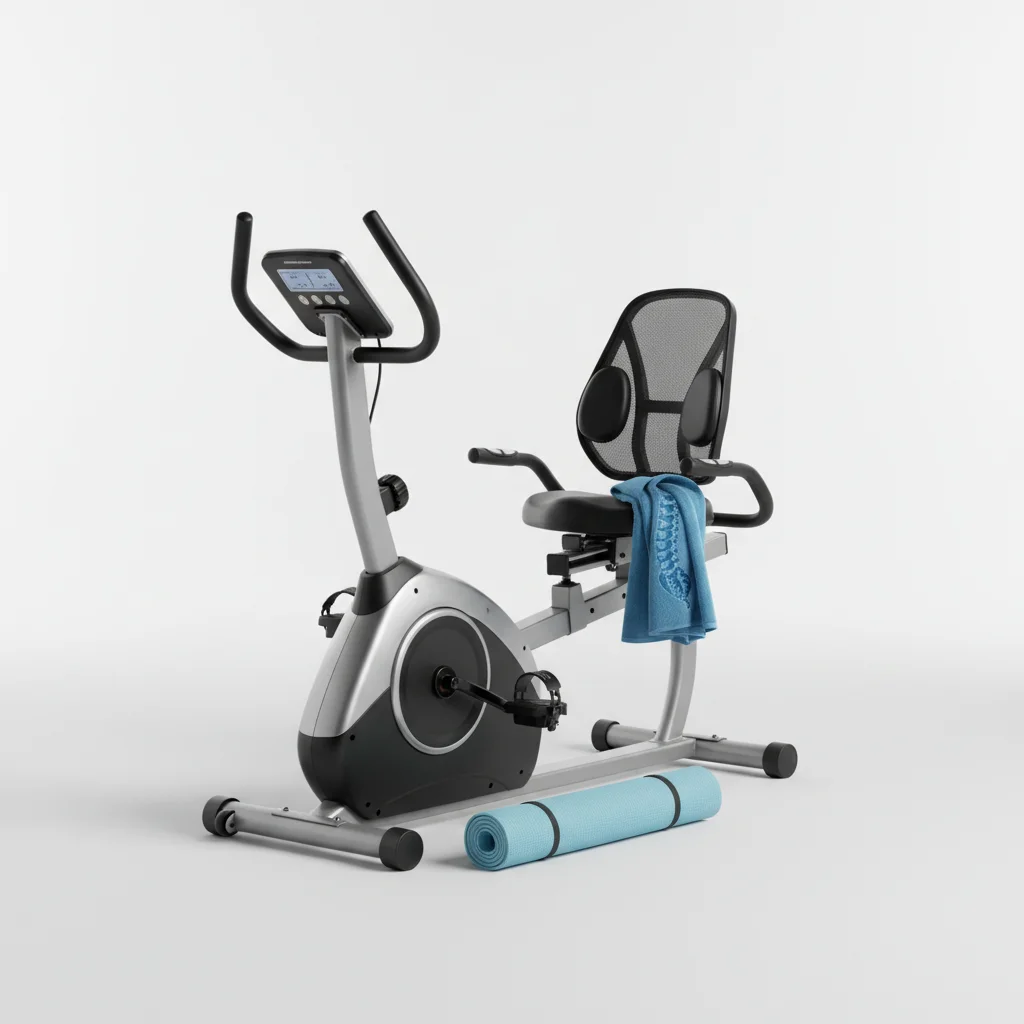
Using an exercise bike can indeed help with lower back pain, particularly if you choose the right type of bike and maintain proper form. Recumbent exercise bikes are often recommended for individuals with back pain due to their supportive backrests and reclined riding position, which reduces strain on the spine. Studies suggest that regular, low-impact aerobic exercise, such as cycling, can strengthen core muscles and improve flexibility, both crucial for managing and preventing back discomfort.
Understanding Back Pain and Exercise
Back pain is a common ailment, often exacerbated by sedentary lifestyles or improper posture. While high-impact activities can worsen the condition, low-impact exercises like cycling can be beneficial. The key is to engage in activities that strengthen the muscles supporting the spine without putting undue stress on the vertebrae or discs. An exercise bike provides a controlled environment to achieve this. For expert home exercise reviews on this site.
Benefits of Exercise Bikes for Back Health
Regular use of an exercise bike can offer several advantages for those with back pain. It helps to strengthen the core muscles, including the abdominals and obliques, which are vital for spinal support. Additionally, cycling improves circulation to the spinal discs, aiding in nutrient delivery and waste removal. The rhythmic motion can also enhance flexibility in the lower back and hips, reducing stiffness and improving range of motion. Consistent, moderate cycling can also contribute to weight management, further alleviating pressure on the spine.
- Strengthens core and back muscles
- Improves spinal flexibility and mobility
- Enhances circulation to spinal discs
- Supports healthy weight management
- Provides a low-impact cardiovascular workout
Choosing the Right Exercise Bike Type
|
Our Picks for the Best Exercise Bike in 2026
As an Amazon Associate I earn from qualifying purchases.
|
||
| Num | Product | Action |
|---|---|---|
| 1 | Indoor Exercise Bike for Seniors, 5 IN 1 Foldable Stationary Bike with 16-Level Magnetic Resistance and Tri-Position Ride, 330LBS Capacity, 6.6 LBS Flywheel, for Home Workout 818 Gray |

|
| 2 | RELIFE REBUILD YOUR LIFE Exercise Bike Stationary for Home Indoor,Cycling Bike with Silent Belt Drive for Home Cardio,Brake Pad Resistance with djustable & Comfort Seat/PAD Holder/LCD Monitor. |
|
| 3 | Exercise Bike, Magnetic Resistance Stationary Bikes for Home with App Compatible, Silent Indoor Cycling Bike with 350lbs Weight Capacity Comfortable Seat, Digital Monitor & Phone Mount |
|
| 4 | Exercise Bike for Home – 350LB Magnetic Resistance Indoor Cycling Bike, Silent Stationary Spin Bike with App Sync, Adjustable Seat, LCD Monitor, Smooth & Quiet for Cardio Workout |
|
| 5 | Exercise Bike, Wenoker Stationary Bike for Home, App Supported Indoor Bike with Silent Belt Drive, Heavy Flywheel, Multi-grips Handlebar and Upgraded Digital Display |
|
| 6 | MERACH Exercise Bike, Brake Pad Stationary Bike with Exclusive App, Low Noise Indoor Cycling Bike with 300lbs Weight Capacity, Tablet Mount and Fitness Courses for Weight Loss |
|
| 7 | Exercise Bike, Wenoker Magnetic Stationary Bike for Home App Sync Indoor Bike with Adjustable Seat and Handlebar, Transport Wheels and Fitness Courses for Weight Loss |
|
| 8 | Exercise Bike, Adjustable Magnetic Resistance Stationary Bikes for Home Cardio with Exclusive App, Indoor Bike with 330lbs Weight Capacity Comfortable Seat, Tablet Mount and Fitness Courses |
|
| 9 | Exercise Bikes for Home,Indoor Cycling Bike with Adjustable Magnetic,Brake Pad Resistance Silent Belt Drive,330lbs Weight Capacity &Upgraded Version Seat for Home Cardio&Weight Loss |
|
| 10 | Exercise Bikes for Home,Indoor Cycling Bike with Adjustable Friction,Brake Pad Resistance Silent Belt Drive,330lbs Weight Capacity &Upgraded Version Seat for Home Cardio&Weight Loss |
|
For individuals with back pain, the choice of exercise bike is critical. Recumbent bikes are generally the top recommendation because they allow you to lean back against a supportive seat, distributing your weight more evenly and reducing direct pressure on your lower back. Upright bikes can also be used, but proper posture is paramount, and a well-padded, adjustable seat is essential. Avoid bikes that force an aggressive forward lean, as this can strain the lumbar spine. Consider models with adjustable handlebars and seat positions to ensure a personalized and comfortable fit.
Proper Form and Adjustments for Back Comfort
Maintaining correct posture is crucial when using an exercise bike, especially if you have back pain. For recumbent bikes, ensure your back is firmly against the backrest and your knees have a slight bend at the bottom of the pedal stroke. On an upright bike, keep your back straight, engage your core, and avoid hunching over the handlebars. Adjust the seat height so your leg is almost fully extended but not locked at the bottom of the pedal stroke. Handlebar height should allow for a relaxed upper body without excessive reaching. Experiment with different settings to find the most comfortable and supportive position for your body.
Integrating Cycling into Your Routine Safely
Before starting any new exercise regimen, especially with existing back pain, it is advisable to consult with a healthcare professional or physical therapist. Begin with short, low-intensity sessions and gradually increase duration and resistance as your strength and comfort improve. Listen to your body and stop if you experience any sharp or increasing pain. Incorporate a warm-up before and a cool-down after each session, including gentle stretches for your back and hamstrings. Consistency is key, but so is caution and mindful movement to prevent further injury.
