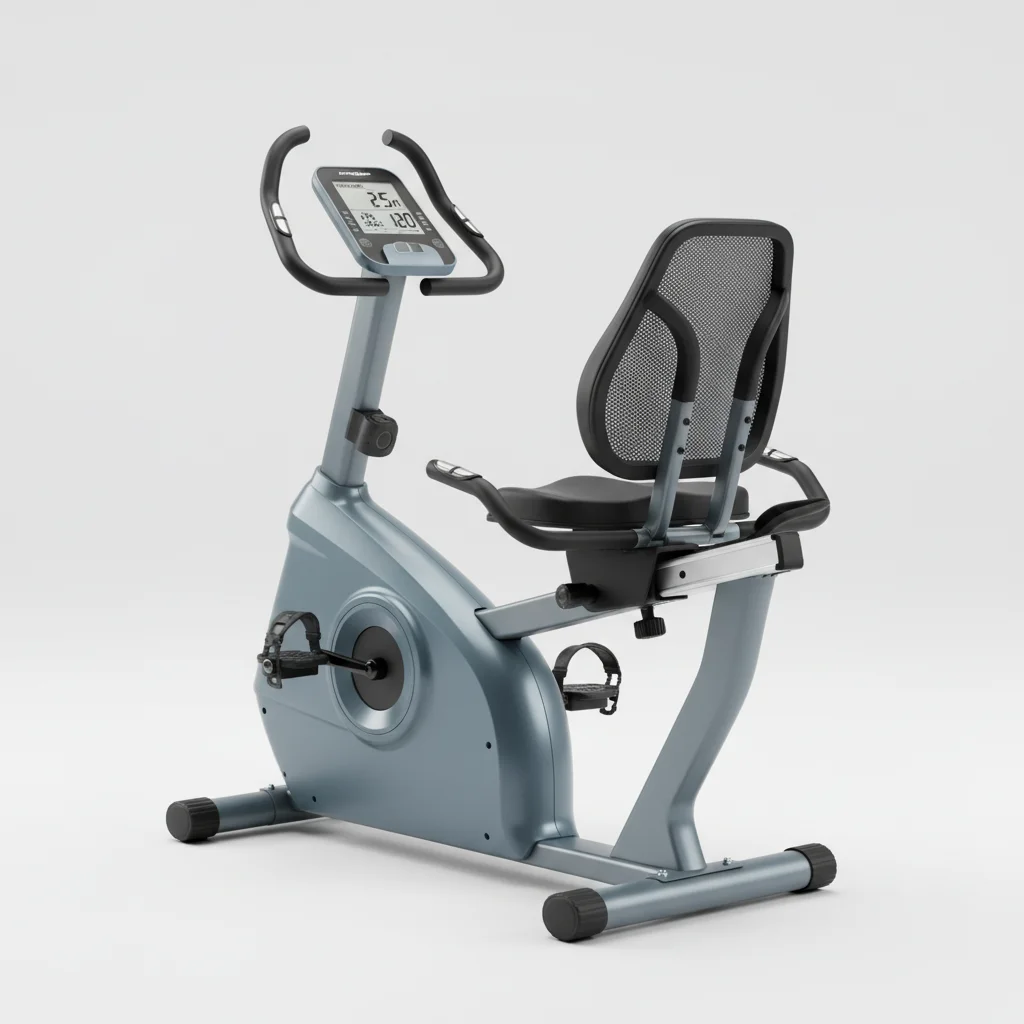
Using an exercise bike can indeed help with sciatica, particularly by strengthening core muscles and improving circulation, which can alleviate nerve compression. However, it’s crucial to choose the right type of bike and maintain proper form to avoid exacerbating the condition. Many individuals find relief through consistent, low-impact cycling, with recumbent bikes often being the most recommended option due to their supportive backrests.
Understanding Sciatica and Exercise
Sciatica is characterized by pain radiating along the sciatic nerve, which runs from the lower back down each leg. This pain is often caused by a herniated disc, bone spur, or narrowing of the spine (spinal stenosis) that compresses part of the nerve. While rest is sometimes advised during acute flare-ups, regular, gentle exercise is often recommended for long-term management. The key is to engage in activities that don’t put undue stress on the lower back or directly compress the sciatic nerve. For more home exercise guides on this site.
Low-impact activities like cycling can be beneficial because they provide cardiovascular exercise without the jarring impact of running or jumping. Strengthening the core muscles, including the abdominals and lower back, is vital for supporting the spine and reducing pressure on the sciatic nerve. An exercise bike, when used correctly, can contribute to this strengthening.
Choosing the Right Exercise Bike Type
For individuals with sciatica, the type of exercise bike makes a significant difference. Recumbent exercise bikes are generally preferred because they allow you to recline, distributing your weight more evenly and reducing direct pressure on the lower back and sciatic nerve. The backrest provides crucial support, which can prevent slouching and maintain a neutral spine position. Upright bikes, while offering a good workout, can sometimes encourage a forward-leaning posture that might aggravate sciatica for some users.
When selecting a recumbent bike, look for models with adjustable seats and backrests to ensure optimal ergonomic positioning. A comfortable, padded seat is also essential for longer rides. Consider bikes with smooth, magnetic resistance systems, as these provide a consistent and quiet ride without sudden jerks that could strain your back.
Proper Form and Workout Considerations
|
Our Picks for the Best Exercise Bike in 2026
As an Amazon Associate I earn from qualifying purchases.
|
||
| Num | Product | Action |
|---|---|---|
| 1 | Exercise Bikes for Home,Indoor Cycling Bike with Adjustable Friction,Brake Pad Resistance Silent Belt Drive,330lbs Weight Capacity &Upgraded Version Seat for Home Cardio&Weight Loss |

|
| 2 | Exercise Bike for Home – 350LB Magnetic Resistance Indoor Cycling Bike, Silent Stationary Spin Bike with App Sync, Adjustable Seat, LCD Monitor, Smooth & Quiet for Cardio Workout |
|
| 3 | Exercise Bike, Wenoker Magnetic Stationary Bike for Home App Sync Indoor Bike with Adjustable Seat and Handlebar, Transport Wheels and Fitness Courses for Weight Loss |
|
| 4 | Exercise Bike, Adjustable Magnetic Resistance Stationary Bikes for Home Cardio with Exclusive App, Indoor Bike with 330lbs Weight Capacity Comfortable Seat, Tablet Mount and Fitness Courses |
|
| 5 | Exercise Bike, Wenoker Stationary Bike for Home, App Supported Indoor Bike with Silent Belt Drive, Heavy Flywheel, Multi-grips Handlebar and Upgraded Digital Display |
|
| 6 | RELIFE REBUILD YOUR LIFE Exercise Bike Stationary for Home Indoor,Cycling Bike with Silent Belt Drive for Home Cardio,Brake Pad Resistance with djustable & Comfort Seat/PAD Holder/LCD Monitor. |
|
| 7 | Indoor Exercise Bike for Seniors, 5 IN 1 Foldable Stationary Bike with 16-Level Magnetic Resistance and Tri-Position Ride, 330LBS Capacity, 6.6 LBS Flywheel, for Home Workout 818 Gray |
|
| 8 | Exercise Bike, Magnetic Resistance Stationary Bikes for Home with App Compatible, Silent Indoor Cycling Bike with 350lbs Weight Capacity Comfortable Seat, Digital Monitor & Phone Mount |
|
| 9 | MERACH Exercise Bike, Brake Pad Stationary Bike with Exclusive App, Low Noise Indoor Cycling Bike with 300lbs Weight Capacity, Tablet Mount and Fitness Courses for Weight Loss |
|
| 10 | Exercise Bikes for Home,Indoor Cycling Bike with Adjustable Magnetic,Brake Pad Resistance Silent Belt Drive,330lbs Weight Capacity &Upgraded Version Seat for Home Cardio&Weight Loss |
|
Maintaining proper form is paramount when using an exercise bike with sciatica. Adjust the seat height so your knees have a slight bend at the bottom of the pedal stroke, avoiding full extension. Keep your back straight and engaged with the backrest on a recumbent bike. Avoid hunching over the handlebars on an upright bike; if you must use one, ensure the handlebars are high enough to allow an upright posture.
Start with short, low-intensity sessions, perhaps 10-15 minutes, and gradually increase duration and resistance as your comfort and strength improve. Listen to your body and stop immediately if you experience increased pain or discomfort. Incorporate a gentle warm-up and cool-down, including light stretching for your hamstrings and glutes, which can often be tight in individuals with sciatica.
- Adjust seat height for a slight knee bend at full extension.
- Maintain a straight back, utilizing the backrest on recumbent bikes.
- Start with low-intensity, short duration workouts (10-15 minutes).
- Gradually increase duration and resistance over time.
- Perform gentle warm-up and cool-down stretches.
Benefits Beyond Pain Relief
Beyond directly addressing sciatica symptoms, regular exercise on an exercise bike offers numerous general health benefits. It improves cardiovascular health, strengthens leg muscles, and can aid in weight management, which in turn reduces stress on the spine. Consistent physical activity also boosts mood and can help manage chronic pain more effectively by releasing endorphins, the body’s natural painkillers.
Furthermore, the controlled environment of an exercise bike allows for a predictable workout without external variables like uneven terrain or weather, making it a reliable option for daily fitness. This predictability is especially valuable for those managing a chronic condition like sciatica, as it allows for consistent adherence to an exercise regimen.
Recommended Exercise Bike Features for Sciatica Sufferers
When shopping for an exercise bike to help with sciatica, prioritize features that enhance comfort and support. A wide, padded seat is crucial, as is a sturdy backrest on recumbent models. Look for bikes with easy-to-reach controls and a clear display for monitoring your workout metrics without straining. Adjustable resistance levels are also important, allowing you to tailor the intensity to your current comfort level and gradually progress.
Consider models that offer a smooth, quiet operation, as this contributes to a more enjoyable and less distracting workout experience. Some bikes also come with built-in programs that can guide you through various intensity levels, which can be helpful for structuring your workouts.Many users find that a bike with a step-through design is easier to mount and dismount, reducing the risk of sudden movements that could aggravate back pain.
