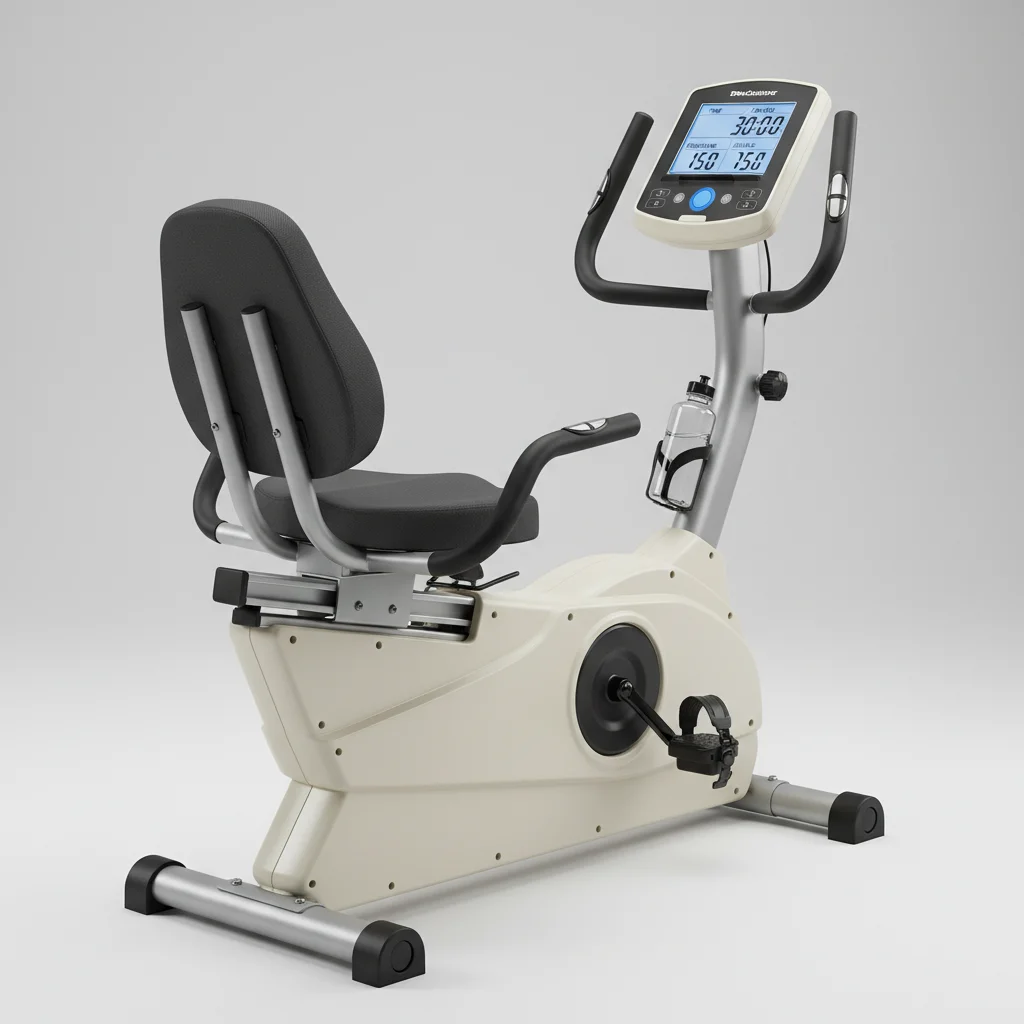
For seniors experiencing joint pain, an exercise bike can be a remarkably safe and effective option for maintaining fitness, provided the right type and usage are chosen. Specifically, recumbent exercise bikes are often recommended due to their supportive backrests and reclined seating position, which significantly reduces stress on the knees, hips, and lower back compared to upright models. Studies indicate that low-impact cardiovascular exercise, like cycling, can improve joint mobility and reduce pain in older adults.
Understanding Joint Pain and Exercise
Joint pain, often associated with conditions like osteoarthritis, can make traditional weight-bearing exercises challenging. The non-impact nature of cycling on an exercise bike means that the joints are not subjected to the jarring forces experienced during activities like running or even walking. This makes it an ideal choice for seniors looking to stay active without exacerbating their pain. For best home exercise roundups on this site.
Benefits of Exercise Bikes for Seniors with Joint Pain
Beyond being low-impact, exercise bikes offer several benefits for seniors with joint pain. Regular cycling can strengthen the muscles surrounding the joints, providing better support and stability. It also improves circulation, which can aid in nutrient delivery to joint tissues and waste removal. Furthermore, maintaining cardiovascular health is crucial for overall well-being in older age, and an exercise bike provides an accessible way to achieve this.
- Reduced impact on knees and hips
- Improved joint flexibility and range of motion
- Strengthens supporting muscles around joints
- Enhances cardiovascular health without strain
- Accessible and convenient for home use
Choosing the Right Exercise Bike Type
|
Our Picks for the Best Exercise Bike in 2026
As an Amazon Associate I earn from qualifying purchases.
|
||
| Num | Product | Action |
|---|---|---|
| 1 | RELIFE REBUILD YOUR LIFE Exercise Bike Stationary for Home Indoor,Cycling Bike with Silent Belt Drive for Home Cardio,Brake Pad Resistance with djustable & Comfort Seat/PAD Holder/LCD Monitor. |

|
| 2 | Exercise Bike, Adjustable Magnetic Resistance Stationary Bikes for Home Cardio with Exclusive App, Indoor Bike with 330lbs Weight Capacity Comfortable Seat, Tablet Mount and Fitness Courses |
|
| 3 | Exercise Bikes for Home,Indoor Cycling Bike with Adjustable Magnetic,Brake Pad Resistance Silent Belt Drive,330lbs Weight Capacity &Upgraded Version Seat for Home Cardio&Weight Loss |
|
| 4 | Exercise Bike for Home – 350LB Magnetic Resistance Indoor Cycling Bike, Silent Stationary Spin Bike with App Sync, Adjustable Seat, LCD Monitor, Smooth & Quiet for Cardio Workout |
|
| 5 | Exercise Bikes for Home,Indoor Cycling Bike with Adjustable Friction,Brake Pad Resistance Silent Belt Drive,330lbs Weight Capacity &Upgraded Version Seat for Home Cardio&Weight Loss |
|
| 6 | Exercise Bike, Wenoker Stationary Bike for Home, App Supported Indoor Bike with Silent Belt Drive, Heavy Flywheel, Multi-grips Handlebar and Upgraded Digital Display |
|
| 7 | MERACH Exercise Bike, Brake Pad Stationary Bike with Exclusive App, Low Noise Indoor Cycling Bike with 300lbs Weight Capacity, Tablet Mount and Fitness Courses for Weight Loss |
|
| 8 | Exercise Bike, Magnetic Resistance Stationary Bikes for Home with App Compatible, Silent Indoor Cycling Bike with 350lbs Weight Capacity Comfortable Seat, Digital Monitor & Phone Mount |
|
| 9 | Indoor Exercise Bike for Seniors, 5 IN 1 Foldable Stationary Bike with 16-Level Magnetic Resistance and Tri-Position Ride, 330LBS Capacity, 6.6 LBS Flywheel, for Home Workout 818 Gray |
|
| 10 | Exercise Bike, Wenoker Magnetic Stationary Bike for Home App Sync Indoor Bike with Adjustable Seat and Handlebar, Transport Wheels and Fitness Courses for Weight Loss |
|
When selecting an exercise bike for joint pain, the primary consideration should be comfort and support. Recumbent bikes are generally superior for this purpose, offering a larger, more comfortable seat and a backrest. Upright bikes can also be suitable if they have a wide, padded seat and easily adjustable handlebars to promote an ergonomic posture. Avoid spin bikes, as their aggressive riding position is typically not suitable for those with joint issues.
Key Features to Look For
Look for bikes with easily adjustable resistance levels, preferably magnetic, for smooth transitions and quiet operation. A clear, easy-to-read display showing metrics like time, distance, and heart rate is also beneficial. Consider models with step-through designs, which eliminate the need to lift legs high over a frame, making mounting and dismounting safer and easier.
Safe Usage and Considerations
Always consult with a healthcare professional before starting any new exercise regimen, especially if you have pre-existing joint conditions. Begin with short, low-intensity sessions and gradually increase duration and resistance as your body adapts. Proper bike setup, including seat height and handlebar position, is crucial to prevent strain. Listen to your body and stop if you experience any sharp pain.
