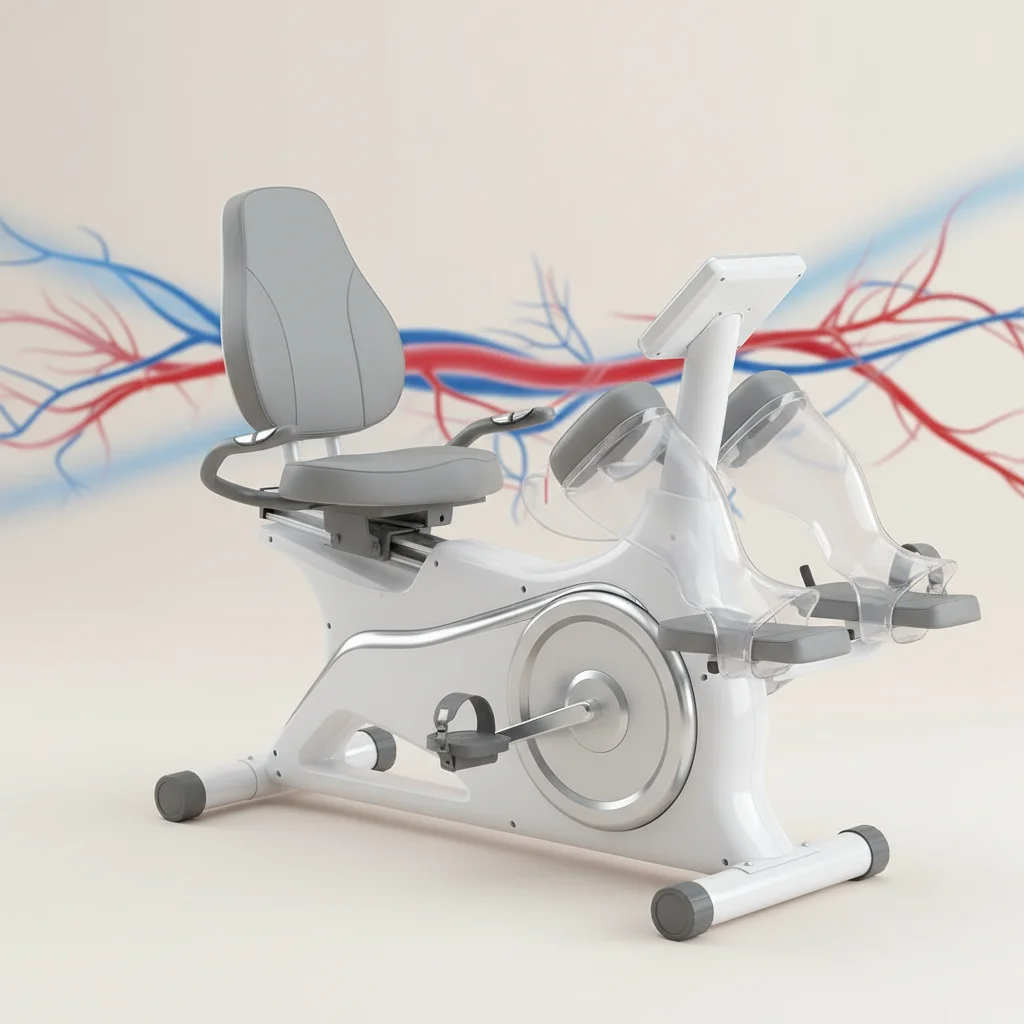
Using an exercise bike can indeed improve circulation and potentially alleviate symptoms associated with varicose veins. Regular, low-impact cycling helps strengthen calf muscles, which act as a pump to push blood back towards the heart, reducing blood pooling in the veins. Studies suggest that consistent cardiovascular exercise, like cycling, can significantly enhance venous return and reduce discomfort in individuals with varicose veins.
How Exercise Bikes Benefit Varicose Veins
Exercise bikes offer a non-weight-bearing form of exercise that is gentle on the joints while still providing an effective cardiovascular workout. This is particularly beneficial for individuals with varicose veins, as high-impact activities can sometimes exacerbate symptoms. The continuous pedaling motion promotes blood flow in the legs, preventing stagnation and supporting the health of your veins. This consistent movement helps to reduce swelling and aching, common complaints among those with venous insufficiency.
Choosing the Right Exercise Bike Type
For individuals with varicose veins, a recumbent exercise bike is often recommended. Its reclined position reduces pressure on the legs and allows for a more comfortable and sustained workout. Upright bikes are also suitable, but ensure the seat is comfortable and allows for proper leg extension without straining. The key is to find a bike that allows you to maintain a consistent, moderate intensity without causing discomfort or excessive pressure on your legs. Consider models with easily adjustable resistance levels to tailor your workout.
- Recumbent bikes for reduced leg pressure and comfort.
- Upright bikes with comfortable seating and proper leg extension.
- Magnetic resistance for smooth, quiet operation.
- Adjustable seat and handlebar for ergonomic positioning.
- Clear display for monitoring workout metrics.
Workout Strategies for Vein Health
|
Our Picks for the Best Exercise Bike in 2026
As an Amazon Associate I earn from qualifying purchases.
|
||
| Num | Product | Action |
|---|---|---|
| 1 | MERACH Exercise Bike, Brake Pad Stationary Bike with Exclusive App, Low Noise Indoor Cycling Bike with 300lbs Weight Capacity, Tablet Mount and Fitness Courses for Weight Loss |

|
| 2 | Indoor Exercise Bike for Seniors, 5 IN 1 Foldable Stationary Bike with 16-Level Magnetic Resistance and Tri-Position Ride, 330LBS Capacity, 6.6 LBS Flywheel, for Home Workout 818 Gray |
|
| 3 | Exercise Bike, Magnetic Resistance Stationary Bikes for Home with App Compatible, Silent Indoor Cycling Bike with 350lbs Weight Capacity Comfortable Seat, Digital Monitor & Phone Mount |
|
| 4 | Exercise Bike, Wenoker Magnetic Stationary Bike for Home App Sync Indoor Bike with Adjustable Seat and Handlebar, Transport Wheels and Fitness Courses for Weight Loss |
|
| 5 | RELIFE REBUILD YOUR LIFE Exercise Bike Stationary for Home Indoor,Cycling Bike with Silent Belt Drive for Home Cardio,Brake Pad Resistance with djustable & Comfort Seat/PAD Holder/LCD Monitor. |
|
| 6 | Exercise Bikes for Home,Indoor Cycling Bike with Adjustable Friction,Brake Pad Resistance Silent Belt Drive,330lbs Weight Capacity &Upgraded Version Seat for Home Cardio&Weight Loss |
|
| 7 | Exercise Bike for Home – 350LB Magnetic Resistance Indoor Cycling Bike, Silent Stationary Spin Bike with App Sync, Adjustable Seat, LCD Monitor, Smooth & Quiet for Cardio Workout |
|
| 8 | Exercise Bikes for Home,Indoor Cycling Bike with Adjustable Magnetic,Brake Pad Resistance Silent Belt Drive,330lbs Weight Capacity &Upgraded Version Seat for Home Cardio&Weight Loss |
|
| 9 | Exercise Bike, Wenoker Stationary Bike for Home, App Supported Indoor Bike with Silent Belt Drive, Heavy Flywheel, Multi-grips Handlebar and Upgraded Digital Display |
|
| 10 | Exercise Bike, Adjustable Magnetic Resistance Stationary Bikes for Home Cardio with Exclusive App, Indoor Bike with 330lbs Weight Capacity Comfortable Seat, Tablet Mount and Fitness Courses |
|
When using an exercise bike for varicose veins, focus on consistent, moderate-intensity workouts. Aim for 30-45 minutes, three to five times a week. Start with a warm-up, gradually increasing your speed and resistance, and finish with a cool-down. Avoid excessively high resistance that might strain your leg muscles. Listen to your body and take breaks if you experience any pain or discomfort. Staying hydrated is also crucial for overall circulatory health.
Consider incorporating short bursts of higher intensity followed by recovery periods to further boost circulation. This interval training can be very effective. Remember to wear comfortable clothing and supportive footwear.After your workout, elevating your legs for a short period can also aid in venous return and reduce swelling.
Other Considerations and Lifestyle Tips
While exercise bikes are beneficial, they are part of a broader approach to managing varicose veins. Complement your cycling routine with other lifestyle changes such as maintaining a healthy weight, avoiding prolonged standing or sitting, and elevating your legs whenever possible. Compression stockings can also provide significant relief by supporting your veins and improving blood flow. Always consult with a healthcare professional before starting any new exercise regimen, especially if you have existing medical conditions.
Regular movement throughout the day, even short walks, can prevent blood from pooling. Ensure your diet is rich in fiber and antioxidants to support overall vascular health.By combining regular exercise bike use with these lifestyle adjustments, you can effectively manage symptoms and promote healthier veins.
