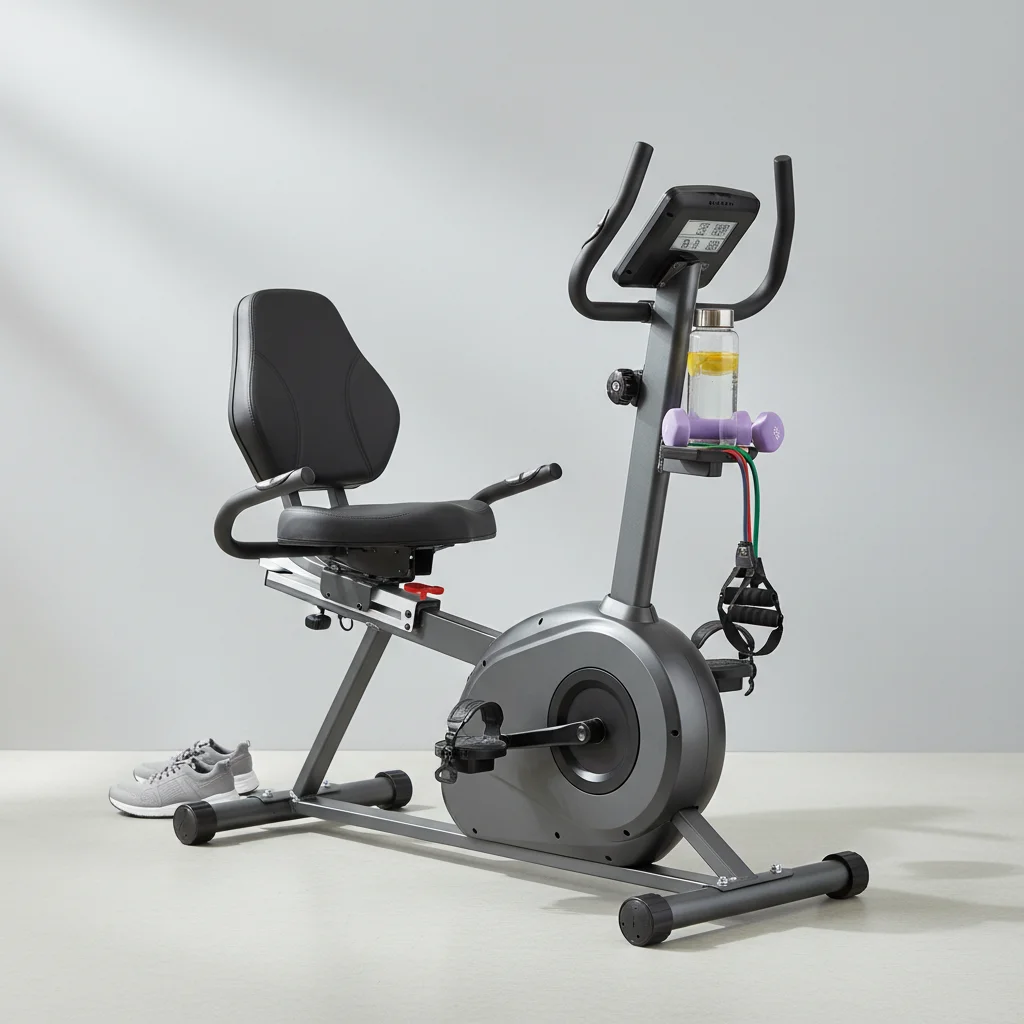
Engaging in regular exercise bike workouts offers numerous benefits for seniors, including improved cardiovascular health, enhanced joint mobility, and increased muscle strength. Specifically, seniors can expect to see a significant improvement in their overall well-being by incorporating at least three 30-minute sessions per week. These workouts are low-impact, making them an ideal choice for maintaining an active lifestyle without putting undue stress on joints.
Benefits of Stationary Cycling for Older Adults
Stationary cycling is particularly beneficial for older adults due to its controlled environment and customizable intensity. It helps in maintaining bone density, which is crucial in preventing osteoporosis, and can significantly reduce the risk of falls by improving balance and coordination. Furthermore, the mental health benefits are substantial, as regular exercise can alleviate symptoms of anxiety and depression, promoting a more positive outlook on life.
The ability to adjust resistance and speed means that individuals can tailor their workouts to their current fitness level, gradually increasing the challenge as they get stronger. This adaptability makes exercise bikes a versatile tool for seniors at various stages of their fitness journey.
Choosing the Right Exercise Bike for Senior Use
When selecting an exercise bike, seniors should prioritize models that offer easy access, comfortable seating, and clear, simple controls. Recumbent bikes are often recommended due to their supportive backrests and lower step-through design, which minimizes the effort required to mount and dismount. Upright bikes can also be suitable, provided they have adjustable seats and handlebars to ensure proper posture and reduce strain.
Consider features like large, easy-to-read displays, heart rate monitors, and pre-programmed workouts that cater to different fitness goals. Safety features, such as sturdy construction and non-slip pedals, are also paramount to prevent accidents during use.
Sample Low-Impact Workout Routine
|
Our Picks for the Best Exercise Bike in 2026
As an Amazon Associate I earn from qualifying purchases.
|
||
| Num | Product | Action |
|---|---|---|
| 1 | Exercise Bike, Wenoker Stationary Bike for Home, App Supported Indoor Bike with Silent Belt Drive, Heavy Flywheel, Multi-grips Handlebar and Upgraded Digital Display |

|
| 2 | RELIFE REBUILD YOUR LIFE Exercise Bike Stationary for Home Indoor,Cycling Bike with Silent Belt Drive for Home Cardio,Brake Pad Resistance with djustable & Comfort Seat/PAD Holder/LCD Monitor. |
|
| 3 | Indoor Exercise Bike for Seniors, 5 IN 1 Foldable Stationary Bike with 16-Level Magnetic Resistance and Tri-Position Ride, 330LBS Capacity, 6.6 LBS Flywheel, for Home Workout 818 Gray |
|
| 4 | Exercise Bike, Adjustable Magnetic Resistance Stationary Bikes for Home Cardio with Exclusive App, Indoor Bike with 330lbs Weight Capacity Comfortable Seat, Tablet Mount and Fitness Courses |
|
| 5 | Exercise Bikes for Home,Indoor Cycling Bike with Adjustable Magnetic,Brake Pad Resistance Silent Belt Drive,330lbs Weight Capacity &Upgraded Version Seat for Home Cardio&Weight Loss |
|
| 6 | MERACH Exercise Bike, Brake Pad Stationary Bike with Exclusive App, Low Noise Indoor Cycling Bike with 300lbs Weight Capacity, Tablet Mount and Fitness Courses for Weight Loss |
|
| 7 | Exercise Bike for Home – 350LB Magnetic Resistance Indoor Cycling Bike, Silent Stationary Spin Bike with App Sync, Adjustable Seat, LCD Monitor, Smooth & Quiet for Cardio Workout |
|
| 8 | Exercise Bikes for Home,Indoor Cycling Bike with Adjustable Friction,Brake Pad Resistance Silent Belt Drive,330lbs Weight Capacity &Upgraded Version Seat for Home Cardio&Weight Loss |
|
| 9 | Exercise Bike, Magnetic Resistance Stationary Bikes for Home with App Compatible, Silent Indoor Cycling Bike with 350lbs Weight Capacity Comfortable Seat, Digital Monitor & Phone Mount |
|
| 10 | Exercise Bike, Wenoker Magnetic Stationary Bike for Home App Sync Indoor Bike with Adjustable Seat and Handlebar, Transport Wheels and Fitness Courses for Weight Loss |
|
A typical low-impact workout for seniors on an exercise bike might involve a 5-minute warm-up at a very light resistance, followed by 20-25 minutes of moderate cycling, and concluding with a 5-minute cool-down. During the moderate cycling phase, aim for a comfortable pace where you can still hold a conversation without gasping for breath. It’s important to listen to your body and not push yourself too hard, especially when starting out.
- Begin with a 5-minute warm-up at a very low resistance.
- Cycle for 20-25 minutes at a moderate, consistent pace.
- Maintain a conversational pace throughout the main workout.
- Finish with a 5-minute cool-down, gradually reducing resistance.
- Stay hydrated by drinking water before, during, and after your workout.
Maintaining Consistency and Safety
Consistency is key to reaping the full benefits of exercise bike workouts. Aim for at least three sessions per week, and gradually increase the duration or intensity as your fitness improves. Always consult with a healthcare professional before starting any new exercise regimen, especially if you have pre-existing health conditions.
Ensure your exercise bike is placed on a stable, level surface and that all parts are securely tightened. Wear comfortable clothing and supportive footwear. Keep a water bottle within reach to stay hydrated, and consider having a phone nearby in case of an emergency.
Integrating Exercise Bikes into a Healthy Lifestyle
Beyond the physical benefits, incorporating exercise bike workouts into a broader healthy lifestyle can significantly enhance quality of life for seniors. This includes a balanced diet, adequate sleep, and social engagement. The routine of regular exercise can provide structure and a sense of accomplishment, contributing to overall mental and emotional well-being. Many seniors find that exercising with a partner or in a group setting adds an element of enjoyment and accountability, making it easier to stick to their fitness goals.
